Automated Restaurant Ordering in 2026: What Every Operator Should Know Before Making the Switch
From AI-powered drive-thrus to smart kitchen systems, restaurant automation has moved well beyond novelty. Here's what the shift actually looks like in 2026 — and how operators can implement it without losing the human touch.
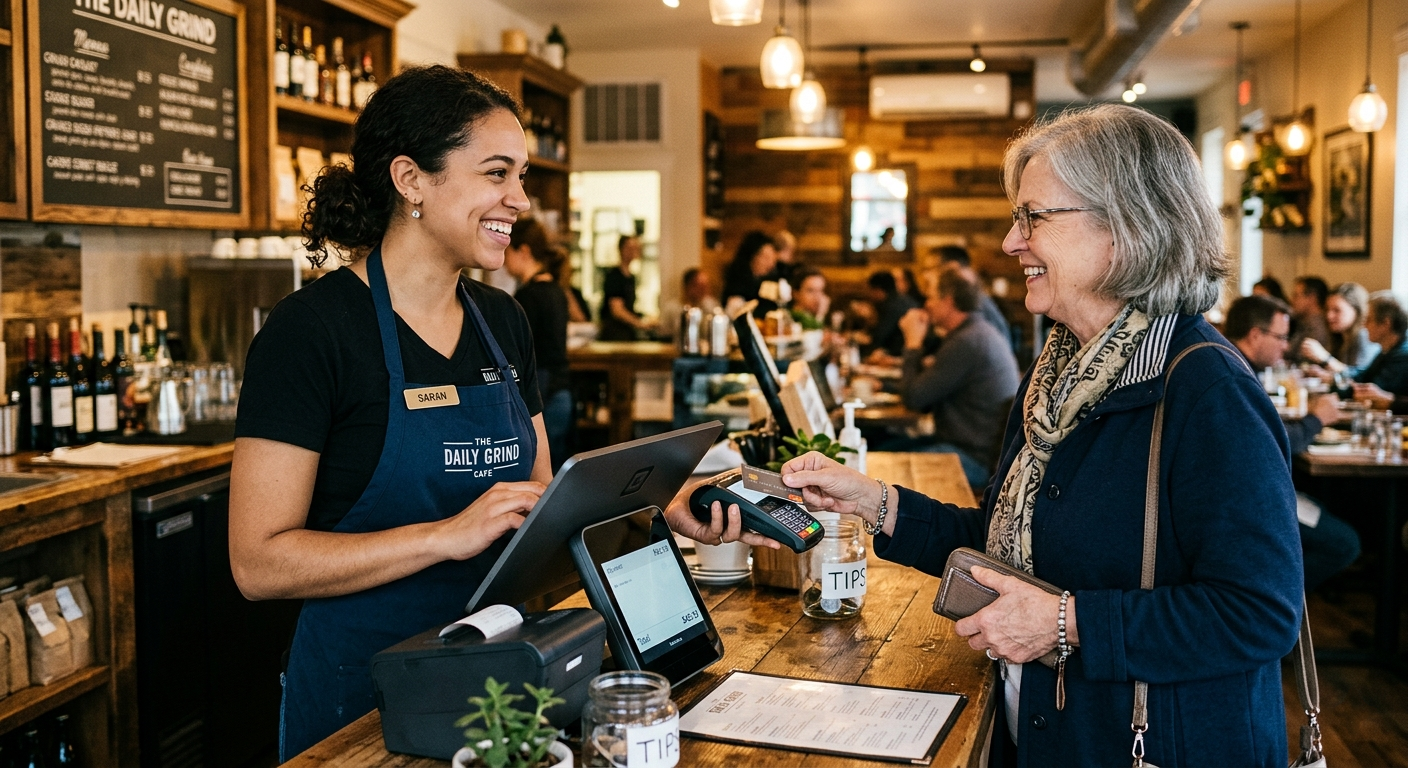
Restaurant automation has come a long way since the early pandemic years, when it was primarily a survival tactic. What started as a means to keep operations running under pressure has since evolved into a core growth strategy. Today, AI-powered ordering agents, integrated back-of-house systems, and smart analytics are reshaping not just how restaurants operate, but how they think about the customer relationship altogether.
In 2026, automated ordering is no longer the territory of large chains with deep pockets. Restaurants of all sizes are adopting the next generation of smart technologies — and seeing measurable returns in the form of stronger ROI, lower labor strain, and better customer experiences. For many operators, the question is no longer whether to automate, but where to start.
Where Restaurant Automation Stands in 2026
Adoption is accelerating, and the numbers make the case clearly. The global restaurant technology market was valued at $59.3 billion in 2024 and is projected to reach $314.8 billion by 2033 — a compound annual growth rate of over 16%. Around 76% of multi-unit restaurant operators say technology gives them a competitive edge, though only 13% feel their current systems are fully optimized. Quick-service restaurants are leading the charge, with more than half already using some form of automation, ranging from AI-driven voice agents to predictive kitchen management systems.
Staffing dynamics are also shifting. Roughly 60% of restaurant owners say hiring has become easier compared to previous years — but retention and labor costs remain a persistent challenge. Automation is increasingly being deployed not just to fill gaps, but to make better use of the staff already in place.
The bottom line: automation has moved from a front-of-house experiment to a full-scale operational strategy that now touches order fulfillment, kitchen management, payments, and staff scheduling.
What Automation Actually Means in 2026
Modern restaurant automation is far broader than self-ordering kiosks or QR code menus. In 2026, it's an interconnected ecosystem of technologies working in concert to improve both efficiency and the guest experience.
That ecosystem now includes AI ordering agents and voice assistants that handle drive-thru or phone orders faster and more accurately than traditional methods; predictive analytics tools that forecast demand and adjust menus or staffing in real time; IoT sensors that monitor temperature, track inventory, and reduce waste; smart POS systems that sync seamlessly across dine-in, delivery, and takeout channels; and AI-powered scheduling and payroll tools that optimize labor costs while giving staff more flexibility.
The modern restaurant is a hybrid operation. Human creativity and hospitality sit at the center, supported and amplified by digital intelligence. Automation doesn't replace the personal touch — it enables it, by freeing staff from repetitive tasks and surfacing the insights that lead to better decisions.
The Core Benefits of Automated Restaurant Ordering
Better customer experiences
Today's diners expect speed, accuracy, and personalization. Automated ordering systems deliver on all three — whether through AI agents managing phone orders or tableside devices that remove friction from the payment process.
Convenience and speed are high priorities for modern guests. Customers have grown comfortable using digital tools to customize orders, handle payments, and make requests without having to flag down a server. Voice-enabled ordering has extended that comfort further: guests can speak their order to an AI agent via phone, app, or drive-thru lane, and receive a natural, conversational experience in return.
As Ben Bellittini, VP of Restaurant Sales at SoundHound AI, put it: ordering on a mobile phone involves a lot of pecking, tapping, and scrolling — a tedious process. Voice ordering on a small device eliminates all of that, making the experience significantly faster.
Loyalty and personalization at scale
Loyalty has always been central to restaurant profitability, and automation has unlocked new ways to nurture it. Connected data systems allow restaurants to recognize returning customers, remember their favorite orders, and suggest relevant additions. An AI agent or kiosk can greet a familiar guest by name and prompt them with their preferences, making it possible for someone to simply say, "I'll have my usual," and have that understood immediately.
Dynamic menus and real-time promotions keep the experience relevant for loyal guests. Integrated loyalty programs tied to AI ordering agents make personalized engagement automatic rather than manual.
Agentic AI is also raising the bar for loyalty in new contexts. Goal-focused agents can now handle complex, multi-step requests spanning different domains — booking a restaurant reservation, finding nearby parking under a set budget, and checking hotel rates, all in one conversation. This kind of seamless, cross-domain capability represents a significant commercial opportunity and deepens the brand relationship in the process.
Smarter use of staff
Staffing may have grown somewhat easier for operators in recent years, but it remains one of the highest costs and consistency challenges in the industry. Automated ordering systems — whether kiosks, voice agents, or mobile apps — allow leaner teams to serve more guests without sacrificing quality.
More importantly, automation redefines where staff energy goes. Instead of managing phone lines or manually entering orders, employees can focus on hospitality, food quality, and higher-value interactions with guests. Self-service kiosks and AI drive-thru agents absorb the pressure of peak-hour surges at many quick-service restaurants, while handheld tablets and tableside ordering tools improve communication and reduce wait times in casual and fine-dining settings. The net effect is that automation elevates the role of the employee rather than diminishing it.
Reducing waste and protecting margins
Margins in the restaurant industry are persistently tight, particularly as food costs fluctuate and supply chains remain unpredictable. AI-driven analytics help operators manage these variables more effectively.
Restaurants are the second-largest generator of food waste overall in the United States — and the largest commercial generator — responsible for more than a quarter of cities' food waste. Smart inventory management systems now track ingredient levels and expiration dates automatically, reducing over-ordering and spoilage. AI forecasting tools analyze sales trends alongside external factors like weather and local events to predict which menu items will sell best on any given day. A system might detect increased demand for pasta dishes and recommend adjusting stock accordingly — before the shortage happens.
Six Automation Trends Shaping 2026
1. AI agents everywhere. Multimodal AI agents — systems that process voice, text, and visual inputs — are now deployed across ordering, reservations, customer inquiries, and kitchen coordination. Full conversational commerce is becoming a reality: a guest can speak or text an order, confirm it by voice, and complete payment in one fluid exchange.
2. Robotics and smart kitchens. Back-of-house automation is accelerating. Robots are handling repetitive prep tasks — flipping, frying, assembly — while kitchen display systems coordinate timing across stations. Smart ovens and grills connect to predictive systems that adjust cooking based on incoming order flow. The model in 2026 is one of collaboration: machines handle routine prep while humans bring creativity, plating, and service.
3. IoT and predictive maintenance. Sensors monitor refrigeration, track energy use, and alert managers to equipment issues before they become costly breakdowns. This layer of intelligence reduces both operating costs and the risk of food safety incidents.
4. Unified cloud ecosystems. Cloud-based platforms now connect POS, ordering, loyalty, analytics, and inventory in real time. Operators can view performance across all channels from a single dashboard, enabling faster and more informed decisions.
5. Sustainability and energy efficiency. As environmental regulations tighten and customers increasingly value sustainable business practices, automation helps monitor and reduce energy consumption and waste. AI systems can recommend energy-saving schedules for equipment or optimize delivery routes to lower emissions.
6. Human and machine in step. Perhaps the most significant shift in 2026 is a cultural one: recognizing that automation and human hospitality aren't in competition. The most successful restaurants use technology to augment their teams, not replace them.
How to Get Started
For operators ready to build or upgrade an automated ordering system, a few principles make the difference between a successful rollout and a stalled pilot:
Lead with problems, not technology. Identify specific pain points first — order speed, accuracy issues, waste, or scheduling inefficiencies — and choose automation tools that address them directly.
Build for integration. Systems that connect with existing POS and loyalty platforms give you unified data and a clearer picture of performance across channels.
Bring staff along early. Adoption depends on confidence and buy-in. Frame automation as a tool that makes employees' jobs easier, not a threat to their roles.
Track what matters. Measure time saved, revenue gains, and waste reduction. Use analytics to refine your approach as you scale.
Keep the guest experience central. The best automation doesn't feel like automation. Balance digital convenience with the warmth that keeps guests coming back.
Automation isn't a one-time implementation — it's an ongoing evolution of both tools and culture.
FAQs
How is an automated ordering system different from traditional POS software? A traditional POS relies on manual data entry and largely disconnected tools. An automated ordering system manages the full order lifecycle — from intake through routing and real-time updates — reducing errors and improving efficiency throughout.
How does it work in a restaurant setting? Orders are captured through voice AI, kiosks, or mobile channels and routed directly to the kitchen and payment systems. Order status updates in real time, eliminating redundant steps and keeping staff focused on service.
What's the difference between a general automated ordering system and a restaurant-specific one? A restaurant-specific system is built for hospitality workflows — including modifiers, peak-hour demand management, and kitchen coordination — rather than generic order processing.
How do these systems scale with demand? Cloud-based infrastructure processes higher order volumes without requiring additional labor. Speed and accuracy are maintained during peak periods, supporting sustainable growth over time.
The Takeaway
Restaurant automation in 2026 is no longer experimental — it's an expectation. But it's also becoming something richer than efficiency alone. The next phase combines AI agents, voice technology, and data-driven insight to create experiences that feel effortless and genuinely personal. Restaurants that embrace the combination of human hospitality and machine intelligence are setting the standard for the decade ahead.
For most operators, the clearest starting point is AI phone ordering for restaurants, where the gap between expectation and reality is widest.